

5 min read time

Table of Contents

Nevada’s Minimum Liability Requirements
Nevada minimum car insurance requirements under NRS 485.185 mandate drivers to carry a minimum of:
- $25,000 for bodily injury per person
- $50,000 per accident
- $20,000 for property damage
While these policy limits meet the statutory baseline for auto insurance coverage, they often fall short of covering the medical expenses, vehicle damage, and other damages that arise after a serious accident. For this reason, I routinely advise my clients and others to exceed the minimum liability insurance coverage limits by carrying additional coverage, such as underinsured/uninsured coverage.
What the State Requires for Auto Insurance
Nevada mandates every driver keep liability insurance in case of an at-fault accident, with limits of $25,000 per person, $50,000 per accident, and $20,000 for property damage, written as 25/50/20. Proof of coverage must be available to law enforcement on request, and failure to follow Nevada car insurance requirements or provide proof of it can result in fines, license suspension, or even jail for repeat offenders.
How These Limits Apply to Everyday Drivers
Nevada auto insurance requirements may cover a single victim's medical bills in a minor car crash or fender-bender, but if two people are injured, the $50,000 liability limits can be reached quickly, leaving the other driver at risk of facing out-of-pocket expenses or needing to file a lawsuit. For this reason, it's crucial to carry car insurance that exceeds the limits by having medical payments coverage, collision coverage, or underinsured motorist coverage to help cover costs, avoid unnecessary lawsuits, and protect personal assets.
Why the Minimum May Not Be Enough
When you drive in Nevada, the state's 25/50/20 limits may seem adequate, yet as a car accident attorney in Las Vegas, I've seen a serious crash result in expenses for medical care, vehicle repair, lost wages, and other damages that far exceed the 25/50/20 limits.
This situation, where expenses surpass the available auto insurance coverage, creates an awkward situation where compensation has to be sought from other sources, including personal finances.
Real-World Scenario Where Liability Coverage Falls Short
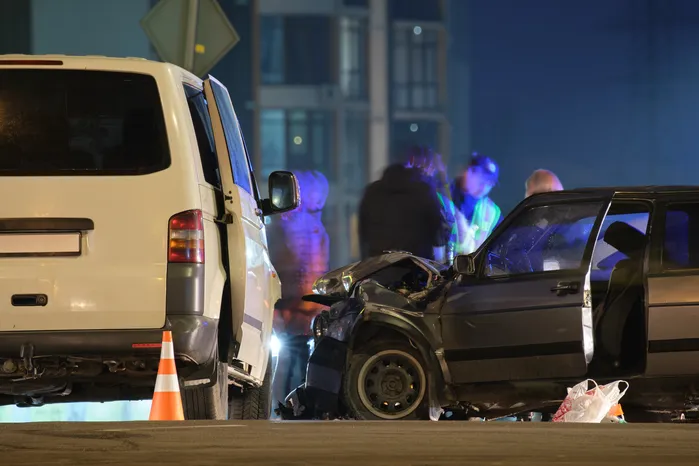
A past client of mine was involved in a T-bone accident in an intersection where the other driver was fully at-fault as they ran a red while making a left turn. The accident resulted in:
- $75,000 in medical and hospital bills
- $20,000 in property damage
Disregarding pain and suffering or lost wages, those two damages already exceeded Nevada's automobile insurance requirements by $50,000. Luckily, my client had UIM coverage, so their car insurance company covered the gap, but if they only held the state minimum, compensation would have needed to be sought through other means, such as wage garnishment or a lawsuit against the at-fault driver.
The Cost of Lacking Adequate Insurance Coverage After an Accident
After a crash, medical bills, lost wages, and car repairs often add up faster than a minimum auto insurance policy can cover them. When a policy's limit is reached, the liable driver may still owe money, leading to personal lawsuits. Those lawsuits can result in wage garnishment or liens on a house to cover expenses.
Having a modest premium boost can prevent thousands of out-of-pocket payments later.
Exploring Optional Insurance Coverage Options
As a personal injury attorney in Nevada, I advise clients, friends, and even my own family that optional insurance policies such as collision, comprehensive coverage, uninsured-motorist protection, and gap insurance are necessary to bridge the gaps left by the state's 25/50/20 liability coverage minimums and protect financial security after a car accident.
Collision and Comprehensive Protection
Collision coverage pays the actual cash value (ACV) of a damaged vehicle, while comprehensive coverage covers the vehicle from theft, weather, or falling objects.
While comprehensive protection won't provide coverage in an auto accident, it's often cheaper to bundle both collision and comprehensive.
MedPay Coverage for You and Your Passengers
Medical payments (MedPay) is a type of car insurance coverage that pays medical expenses for you and all passengers up to your single-limit, regardless of fault in a vehicle accident. Nevada's MedPay has no subrogation, so insurance companies cannot recover from you after a third-party claim. However, if you use a health insurance policy, the carrier may seek reimbursement, but you repay only what they covered.
Uninsured and Underinsured Motorist Protection
Uninsured and Underinsured Motorist Protection covers auto accident damages when the at-fault driver has no or low coverage. UIM steps in after the other driver's coverage limits are capped. Adding an umbrella to your UIM can provide up to $1 million in extra protection.
Rental Assistance and Roadside Services
To protect yourself in case of a roadside emergency, such as a flat tire or dead battery, consider adding towing and labor coverage to your policy.
This add-on covers the cost for tow trucks and roadside assistance, but does not cover parts or repairs.
Consequences of Driving Without Insurance in Nevada
Driving without insurance or proof of it in Nevada can result in penalties such as:
- Fines
- License suspension
- Registration holds
If you're involved in an accident, you'll also face the risk of being personally sued for medical and property damage costs, which can lead to wage garnishment or liens against your assets.
Legal Penalties and Potential Fines
Getting caught without insurance in Nevada can result in a fine ranging from $250 to $1,000. Also, if your registration or license is suspended because of it, you could also have to pay a reinstatement fee.
Violators may also be required to file an SR-22 with the Nevada DMV, a financial responsibility form, for 3 years to ensure they are driving with minimum liability coverage.
Calculating Your Insurance Premiums
Calculating your car insurance premium can seem puzzling, yet it is guided by clear variables such as coverage types, damage limits, age, gender, and vehicle type, which your insurance agent can explain to you in depth.
However, I can cover some of the most influential factors in insurance premiums, which are:
- Coverage Limits: Higher limits raise the base rate, but the increase isn't linear.
- Deductibles: A larger deductible typically lowers the monthly payment.
- Vehicle Characteristics: Safety rating and engine size influence the risk assessment.
- Driving History: Points, age, and prior claims shape the underwriting score.
Factors That Influence Your Quote
Your insurance quote changes with many factors. A clean driving record keeps rates low, while violations like DUIs or speeding raise them. Age also matters; younger drivers usually pay more. The car's make and model influence the price, and insurers may look at your credit score. Nevada law dictates how an insurance company can use this information, so ensure your rights are not violated and take advantage of any discounts, such as applying for your insurance company's safe-driving program or taking a teen driver's education course.
How State Regulations Shape Premiums
State rules shape how insurance companies price car insurance for Nevada drivers. In 2018, lawmakers raised the liability coverage limits from 15/30/10 to 25/50/20, prompting insurers to raise their premium calculations accordingly.
Obtain the Compensation You're Entitled To
Contact Us Today
Rodney Okano Car Accident Lawyer is a Las Vegas personal injury law firm with over 20 years of experience helping clients obtain maximum compensation following injuries from accidents such as car crashes, worksite injuries, and slips and falls. Over those years, The Rodney Okano Car Accident Lawyer Law Firm has become an experienced law firm that can ensure exceptional results for any of its clients.